Explore
Lipid Nanoparticles
Published July 12, 2024
A lipid nanoparticle (LNP) is a nanoscale amalgamation of lipids in the formation of at least one bilayer. LNPs are spherically shaped, acting as vesicles for the transport of hydrophobic and hydrophilic molecules, proteins, and nucleic acids. Their functionalities surpass those of several other delivery methods—they can transport larger payloads and are cheaper to manufacture.
The first generation of LNPs were liposomes—small, spherical vesicles composed of phospholipids. Immediately following the discovery of liposomes was the realization of their potential as carriers for drug delivery. Several cosmetic formulations incorporate liposomes to assist with the delivery of compounds for wound healing, sunburn relief, hair conditioning, skin care, and perfume. Decades after the discovery of liposomes saw more advanced LNPs with distinct physicochemical properties: solid lipid nanoparticles, nanostructured lipid carriers, and cationic lipid−nucleic acid complexes.
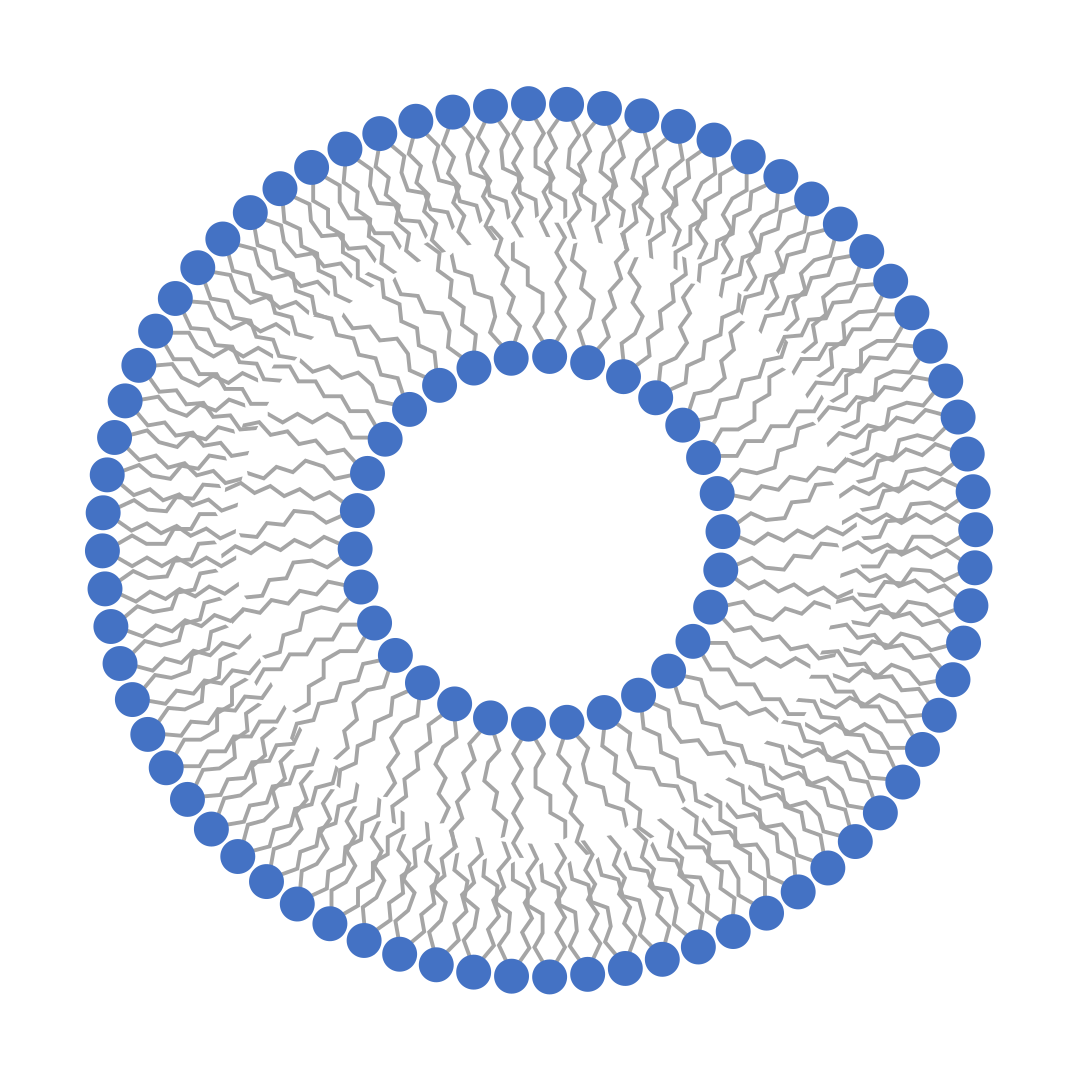
Liposomes comprise a variable number of bilayers, their size ranging from 20 to 1000 nm. Their efficacy proved useful for decades in treating cancer and inflammation, as well as for antifungal, antibiotic, and anesthetic purposes. Liposomes can be either unilamellar or multilamellar vesicles. A unilamellar vesicle exists in one of three forms depending on the size of its diameter: a small unilamellar vesicle (20 to 100 nm), large unilamellar vesicle (100 to 1000 nm), or giant unilamellar vesicle (greater than 1000 nm). Multilamellar vesicles comprise concentric bilayers, their diameters reaching more than 500 nm. Small unilamellar and multilamellar vesicles are suitable for drug delivery systems, while giant unilamellar vesicles are suitable for cell models.
Types of liposomes
Targeted liposomes
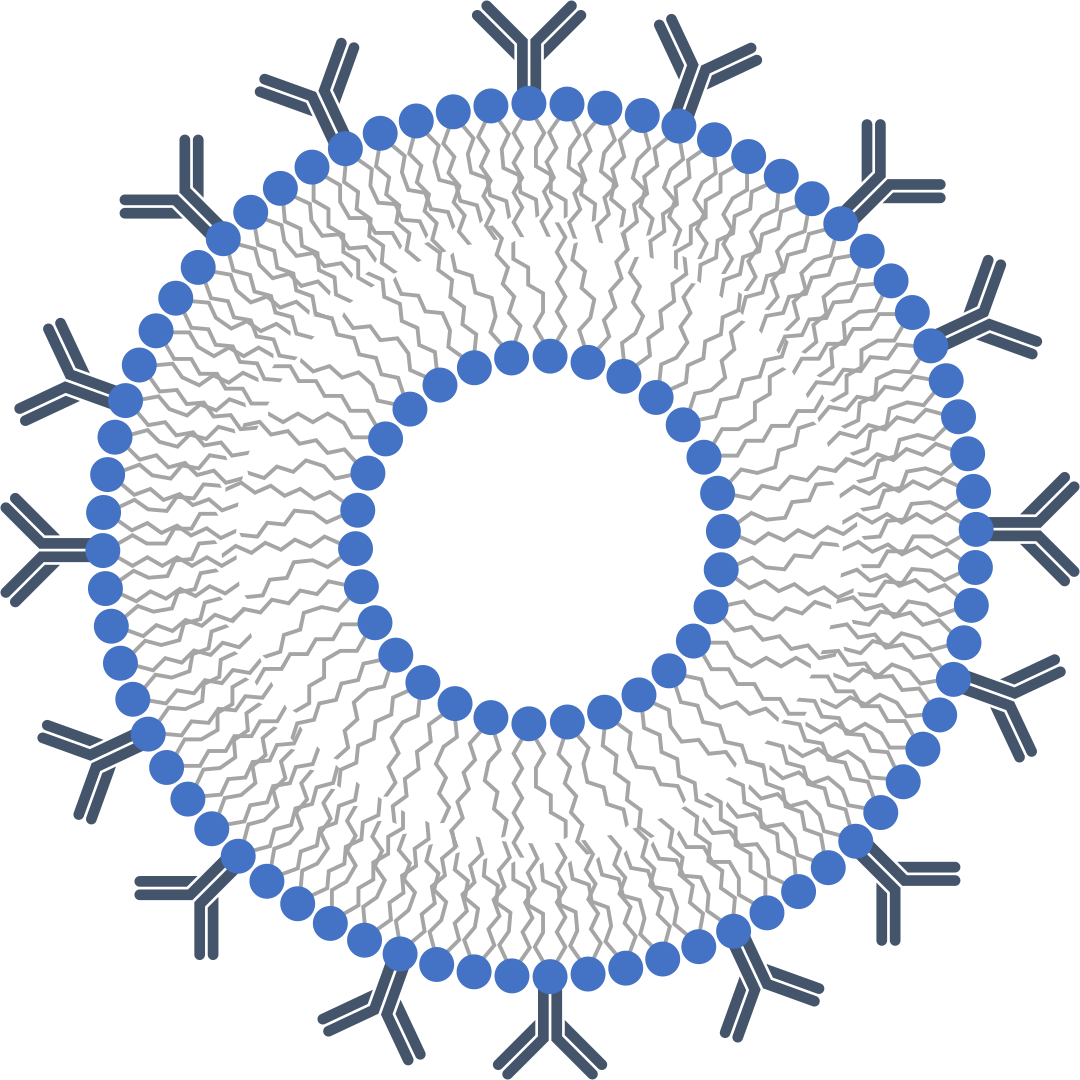
To enhance the target selectivity of liposomes, specific ligands—small molecules, peptides, monoclonal antibodies—are attached to their surfaces. The liposomes can then recognize and bind to certain receptors on a cell.
Stealth liposomes
As a modification to targeted liposomes, the surface is coated with polyethylene glycol (PEG)—a biocompatible inert polymer—to avert liposome degradation from phagocytes. PEGylated liposomes possess improved surface properties and greater stability in the bloodstream. The length and density of the hydrophobic region of a liposome influence its circulatory half-life: longer hydrocarbon chains and denser hydrophobic regions yield higher half-lives. Increasing the half-life of liposomes is crucial in cancer treatment, as it increases the likelihood of liposomal uptake in cancer cells by way of the enhanced permeation and retention effect.
A
B
C
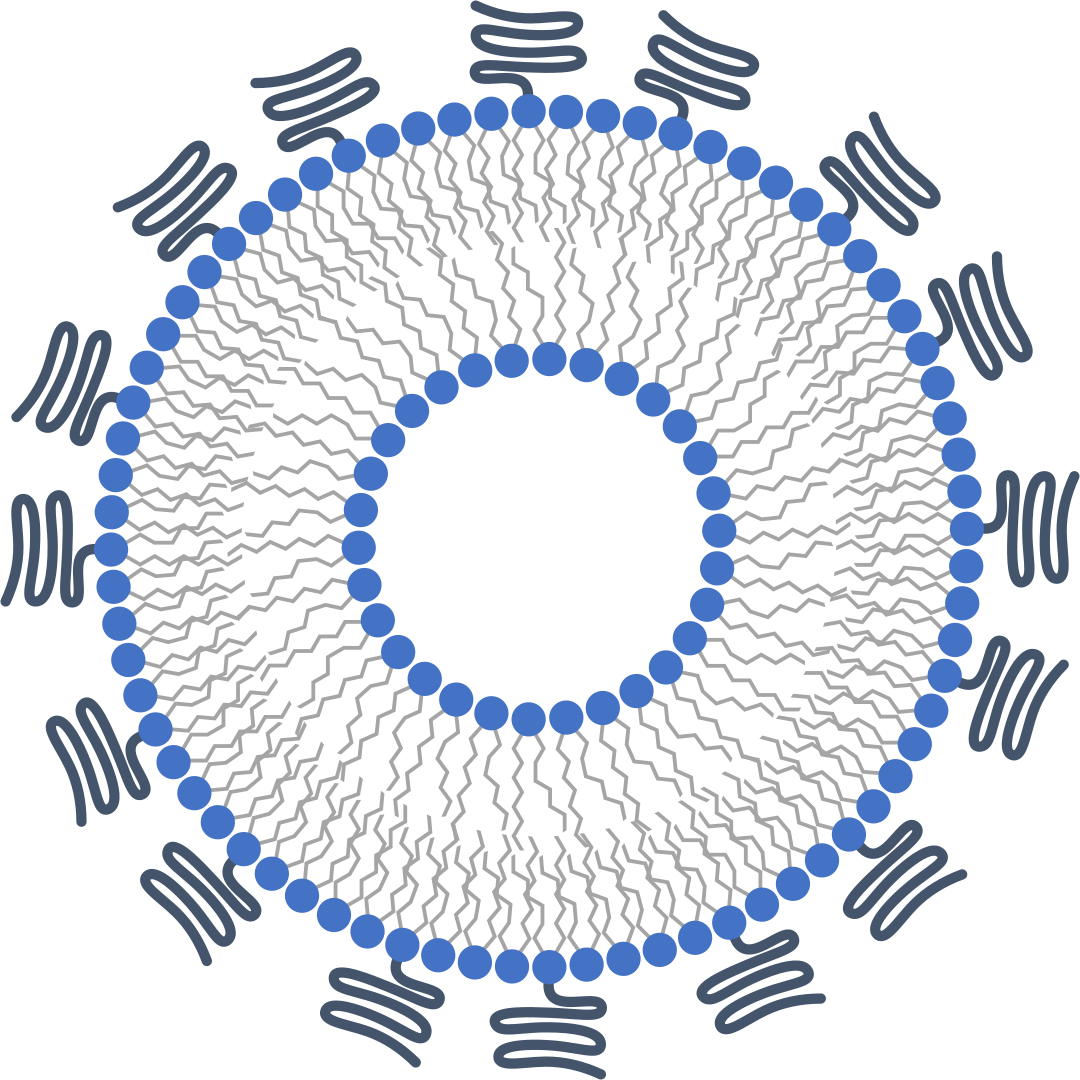

Figure 1. Liposome (A), target-selective liposome (B), and stealth liposome (C).
Stimuli-responsive liposomes
Liposomes can be modified to release payloads upon exposure to a change in the current environmental conditions or other physicochemical or biochemical stimuli. When exposed to a particular stimulus, the liquid-crystal phase of the liposome becomes more fluid, thereby increasing its permeability. The surrounding media will then penetrate the liposomal surface and interact with the payload. These stimuli include changes in temperature, pH, interaction with enzymes, light, magnetic and electrical fields, and ultrasound waves.
Basics of lipid nanoparticles
To minimize toxicity, LNPs comprise the same type of lipids as those making up the bilayer of cells: phospholipids. The types of phospholipids most commonly used in LNP formulations are phosphatidylcholines, phosphatidylethanolamines, phosphatidylglycerols, and phosphatidylserines.
LNPs enhance the solubility of insoluble compounds through encapsulation, extending their use in medicine for the encapsulation of numerous small compounds insoluble in water. Compounds of varying affinities with water can be situated in the same LNP. The solvent—water—fills the empty space within the formation of lipids. Hydrophilic compounds reside in this interior, while the hydrophobic compounds reside amidst the hydrocarbon chains of the lipid bilayer.
The lipid head groups influence the surface charge of the LNP. The surface charge can be either positive, negative, or zwitterionic—a neutral charge consisting of equal amounts of positive and negative functional groups. The surface charge density governs the surface potential—an electrochemical property controlling the adsorption of counterions and the interaction of surrounding particles. Therefore, the surface potential of the LNP is a substantial determinant of its stability. Lipid head groups inheriting uncharged or low-charged electron densities will aggregate in solution, while highly-charged head groups will repulse one another and disperse throughout the solution.
The zeta potential of the LNP is a distinguishable value to express its surface charge; it is the potential with respect to a theoretical plane lying at the outer layer of fluid bound to the surface of the vesicle. LNPs with zeta potentials outside the -30 to 30 eV range can form particle suspensions and maintain interparticle repulsion.
Types of lipid nanoparticles
Cationic lipid nanoparticles
Cationic LNPs are primarily used as carriers for the uptake of nucleic acids by most cells in the human body. Unlike natural lipids, cationic lipids comprise cationic head groups rather than zwitterionic or anionic head groups. Changes in pH influence the charge of cationic lipids; they are positively charged in cells and neutral in the bloodstream. The ionization of cationic lipids based on varying pH gradients within the body is less toxic than non-ionizable cationic LNPs, and thus more suitable for drug delivery.
Cationic LNPs are especially useful for delivering nucleic acids to cells. The cationic lipids neutralize the anionic behavior of nucleic acids upon encapsulation. The resulting stability of the cationic lipid-nucleic acid complex maintains the structural integrity of the cationic LNP.
Through electrostatic forces of attraction, the LNP fuses with the plasma membrane. The anionic lipid heads of the plasma membrane neutralize the positive charges of the fused cationic lipids. The cationic lipid-nucleic acid complex dissociates and the cell absorbs the nucleic acids.
Solid lipid nanoparticles
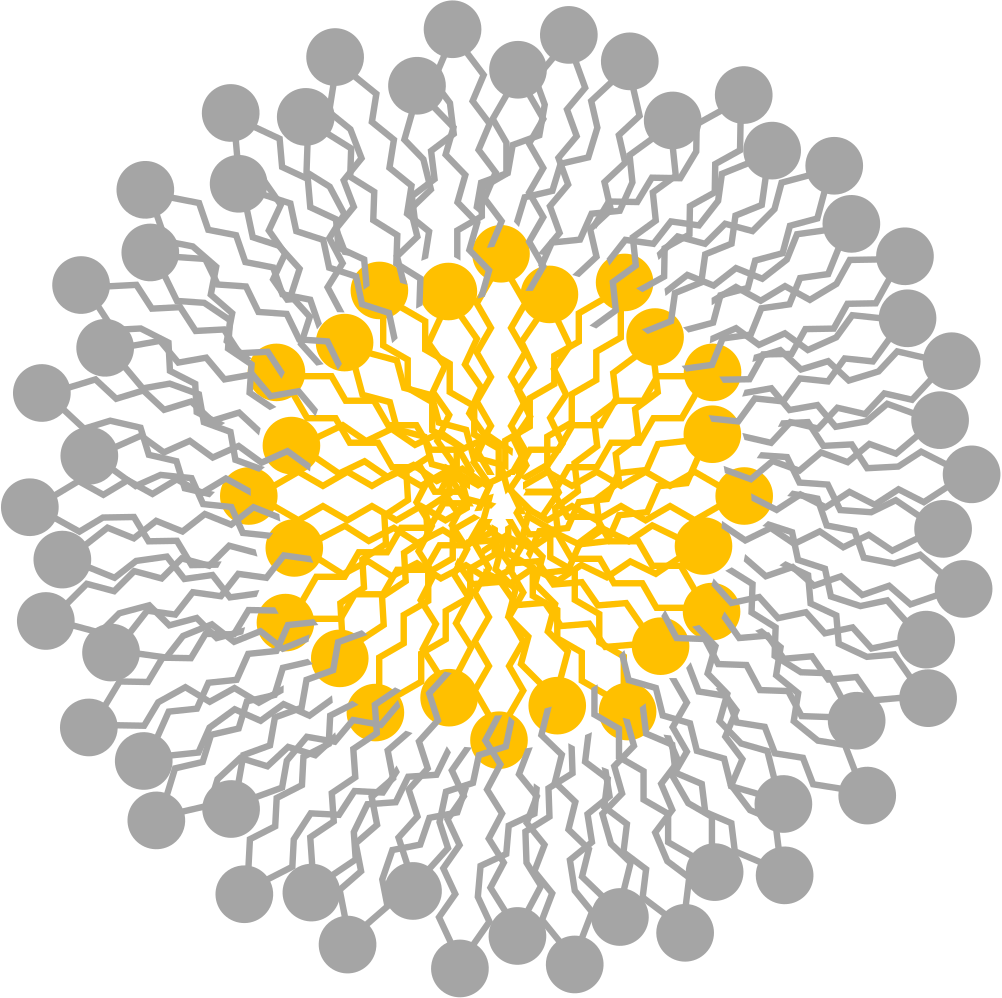
While liposomes consist of liquid-crystalline lipid bilayers, solid lipid nanoparticles (SLNs) consist of those in the solid state, ranging from 40 to 1000 nm in diameter.
A liquid-crystalline lipid is unsaturated: carbon-carbon double bonds bend each of the adjacent hydrocarbon chains away from each other, expanding the space-filling volume of the lipid. Each lipid has more space to move about as it sterically hinders the other, producing a more fluid vesicle.
The saturated structure of a solid-state lipid possesses adjacent hydrocarbon chains running parallel to each other. The linear pattern of each lipid affords a vesicle with dense packing in the hydrophobic region, reducing the mobility of the guest molecules and demonstrating longer retention of the payload.
The strong interior architecture of the SLN, however, may exhibit difficulty in releasing the payload. LNPs need to acquire enough stability to hold the payload while also having the ability to release it upon interaction with certain external stimuli. For instance, a shift in pH induces the disassembly of ionizable lipids, and proximity to the plasma membrane triggers lipid exchange between cationic lipids and the phospholipid bilayer.
Not until exposure to an external stimulus do the solid lipids crystallize, pushing the payload out of the vesicle interior. Lowering the temperature condenses the solid lipids, reducing the fluidity of the SLN and the stability of the solid lipid-guest complex.
The transition temperature of the SLN is a determinant of its stability, encapsulation efficiency, and interaction with biomembranes. Manipulating the solid lipid by the length of the hydrocarbon chains or the extent of saturation alters its transition temperature: lipids with longer or more saturated hydrocarbon chains confer higher transition temperatures.
Nanostructured lipid carriers
As a modification to SLNs, nanostructured lipid carriers (NLCs) are a mixture of solid and liquid-crystalline lipid bilayers. Incorporating lipids designed to be liquid at room temperature reduces the interior crystallinity of the LNP, yielding long-term stability and greater payload capacity.
A
B
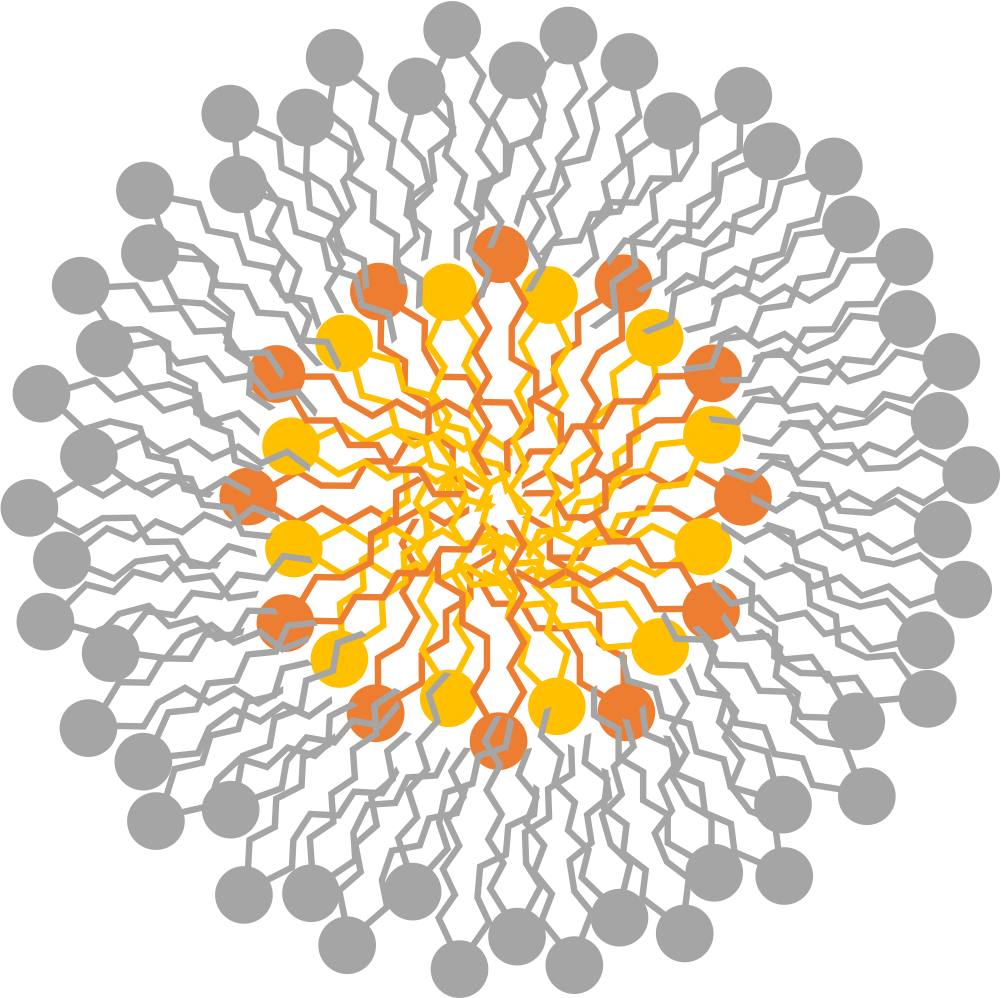

Figure 2. Solid lipid nanoparticle (A) and nanostructured lipid carrier (B).
SLNs and NLCs can consist of other components such as surfactants and coating materials. Surfactants enhance the stability of the LNP formulation by reducing the tension at the interface between the lipid and solvent. Common uses of lipids in SLN and NLC formulations are triglycerides, waxes, hard fats, and mixtures of mono-, di-, and triglycerides. Popular choices of surfactants include lecithin, tyloxapol, poloxamers, and polysorbates. Other fatty acids, fatty alcohols, glycerides, and waxes may be added as constituents to the lipids.
SLNs and NLCs are more physically stable and adopt greater loading capacities and bioavailability of their cargo than conventional liposomes. Large-scale production is easier and less costly since their synthesis requires no use of organic solvents.
Other nonlamellar formulations of LNPs exist with distinct properties, particularly cubosomes, hexosomes, micelles, and ethosomes.
Cubosomes
Cubosomes consist of amphiphilic lipids and stabilizers; they inherit greater membrane surface area to ease the uptake of membrane proteins and smaller compounds as payloads. Upon interaction with an aqueous phase, the lipids reassemble to form a cubic liquid-crystalline phase. The stabilizer prevents the lipids from reassembling into a cubic phase. Applications of cubosomes include drug delivery, membrane bioreactors, artificial cells, and biosensors.
Hexosomes
Hexosomes are another type of nonlamellar LNP. Similar to cubosomes, they comprise amphiphilic lipids and a polymeric stabilizer.
Micelles
Micelles are nonlamellar LNPs ideal for inducing the dissolution of insoluble pharmaceuticals. They contain a hydrophobic core and a hydrophilic shell. Micelles can also assemble to acquire a hydrophobic shell, along with the hydrophilic lipid heads directing inward to act as lipid carriers for nucleic acids.
Ethosomes
Ethosomes are another form of nonlamellar LNPs comprising ethanol and phospholipids. Ethanol makes up 20 to 45 percent of the composition of ethosomes, enhancing permeability and elasticity. Transdermal drug delivery and cosmetic formulations include ethosomes for their ability to penetrate the outer layer of the skin.
Cytotoxicity
The degree of cytotoxicity of LNPs depends on the extent of modification onto them. Unmodified LNPs consist of natural phospholipids, rendering them immunologically inert. Highly modified LNPs—cationic LNPs—may contain biologically-incompatible synthetic compounds with the potential to interfere with cellular processes. Although cationic lipids can be designed for biocompatibility—the COVID-19 vaccine contains cationic lipids with biodegradable ester groups linking together hydrocarbon chains.
The electric charge has a substantial influence on the stability, rate of cargo delivery, and circulatory half-life of LNPs. Concerning cationic lipids, efficacy correlates with toxicity based on electric charge: multivalent cationic lipids deliver payloads with greater success than monovalent cationic lipids, but at the cost of more toxicity to the cell.
Applications
Medical imaging
LNPs can entrap diagnostics probes—quantum dots and fluorescent dyes—and pharmaceutical agents into their aqueous core to produce hybrid LNPs for use in medical imaging. Typical pharmaceutical agents include doxorubicin, docetaxel, cisplatin, and endostatin.
Nutrition
Nutritional formulations incorporate SLNs to encapsulate bioactive compounds such as essential oils, vitamins, rosmarinic acid, resveratrol, and hesperidin. Furthermore, NLCs can regulate the delivery of food additives, including green tea extract, rutin, curcumin, quercetin, astaxanthin, and α-lipoic acid.
Nanoreactors
LNPs have entered a new field of interest in nanotechnology: nanoreactors—nanoscale chemical reactors. LNPs can function as nanoreactors to control the size of synthesized organic and inorganic nanoparticles. They can also induce the precipitation of monodisperse nanocrystals such as CdS, ZnCdS, and HgCdS. Moreover, LNP nanoreactors can deliver enzymes to break down toxic compounds.
Nucleic acid delivery
Nucleic acid therapeutics require a system of delivery to enter the cell before their integration into post-transcriptional processes. The polyvalent-anionic and hydrophilic behaviors of nucleic acids obstruct their ease of passage through the plasma membrane, as well as being susceptible to phagocytes and endogenous nucleases.
Delivering nucleic acids into cells requires the encapsulating abilities of viral or nonviral vectors. Cationic LNPs are the most prevalent form of these nonviral vectors; their positive charges noncovalently stabilize the negatively-charged nucleic acids, blocking the interaction between nucleic acids and nucleases—nuclease degradation. As a cationic LNP fuses with the cell, the negatively charged phospholipids of the plasma membrane stabilize the cationic lipids, disrupting the guest-host complex and granting the passage of nucleic acids into the cell.
Cancer treatment
Cancer treatment is the main consideration of scientists for the research and development of LNPs. Encapsulating antitumor agents with LNPs enhances selectivity toward tumor tissues compared to conventional antitumor drugs. LNPs also increase the water solubility and circulatory half-life of antitumor agents, all while reducing their toxicity to healthy tissues.
LNPs improve the uptake of antitumor agents from cancer cells through the enhanced permeability and retention effect: the disorder of cancer cells form vast blood vessels throughout tumor tissues; these blood vessels intersect normal bloodstreams, providing spacious fenestrations for larger molecules—lipids, macromolecules, nanoparticles—to diverge from the bloodstream and accumulate in tumor tissues instead of normal tissues.
Vaccination
Four types of lipids encapsulate mRNA molecules in the COVID-19 vaccine: the cationic lipid, PEGylated lipid, cholesterol, and distearoylphosphatidylcholine (DSPC). The ionizable cationic lipids are positively charged at low pH and neutral at physiological pH to reduce toxicity and mediate payload release. DSPC and cholesterol molecules reduce the fluidity of the hydrophobic region, keeping the cargo bound within the LNP. Each of these LNPs is 80–100 nm in diameter and can hold nearly 100 mRNA molecules.
Sources
Bird, R.; Curtze, A.; Tenchov, R.; Zhou, Q. Lipid Nanoparticles─From Liposomes to mRNA Vaccine Delivery, a Landscape of Research Diversity and Advancement. ACS Nano. 2021, 15 (11), 16982-17015. DOI: 10.1021/acsnano.1c04996
Chen, X.; Di, J.; Huang, P. Targeting Strategies for Site-Specific mRNA Delivery. Bioconjugate Chemistry. 2024, 35 (4), 453-456. DOI: 10.1021/acs.bioconjchem.4c00038